Introduction: Understanding Listeria
Listeria Safety Guide 2026, also known as Listeria monocytogenes, is a type of bacteria that can contaminate food and cause serious illness, particularly in pregnant women, newborns, older adults, and people with weakened immune systems. According to the CDC, Listeria is responsible for thousands of hospitalizations and hundreds of deaths in the U.S. each year.
Listeria infections can be severe and sometimes fatal, making awareness and prevention critical. This guide provides everything you need to know in 2026—from symptoms and prevention to recall alerts and food safety tips.
Section 1: What Foods Are Commonly Contaminated?
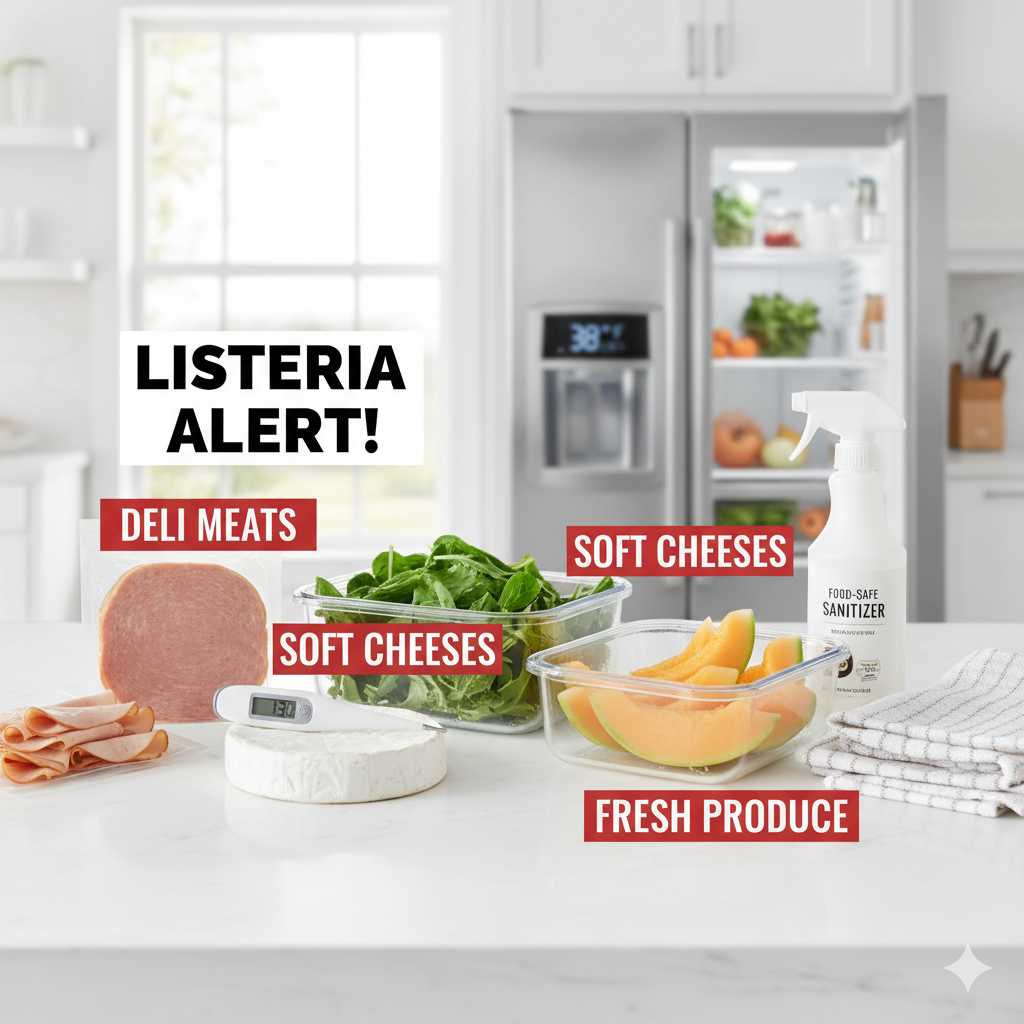
Listeria can appear in a variety of foods, often without obvious signs of spoilage. Common sources include:
-
Ready-to-eat deli meats and hot dogs
-
Unpasteurized milk and cheeses
-
Fresh produce like cantaloupe, lettuce, and sprouts
-
Smoked seafood and certain refrigerated cooked foods
Foodborne outbreaks have highlighted the importance of monitoring retail, production, and packaging processes. For real-time recall updates, check the FDA Food Recall Page.
Tip: Always wash fruits and vegetables thoroughly and store perishable items at safe temperatures.
Section 2: Symptoms of Listeria Infection
Symptoms typically appear 1–4 weeks after exposure, but sometimes may not show for up to 70 days. Common symptoms include:
-
Fever and chills
-
Muscle aches
-
Nausea or diarrhea
-
Headache or stiff neck
-
Confusion or loss of balance (severe cases)
Pregnant women may experience mild flu-like symptoms, but Listeria can cause miscarriage, stillbirth, or severe illness in newborns.
For more detailed symptom tracking, see Johns Hopkins Medicine: Listeria.
Section 3: High-Risk Groups
Certain populations are more vulnerable to severe Listeria infections:
-
Pregnant Women – Infection can affect the fetus
-
Newborns – Immature immune system increases risk
-
Elderly Individuals – Immune system declines with age
-
Immunocompromised Patients – Includes those undergoing chemotherapy, organ transplant recipients, or people with chronic illnesses
Understanding risk factors helps target prevention strategies effectively.
Section 4: How Listeria Spreads
Listeria spreads through contaminated food, cross-contamination, or improper storage. Key points include:
-
Contamination can occur during processing, packaging, or handling.
-
Listeria can grow in refrigerated environments, unlike many bacteria.
-
Cross-contamination is common between raw and cooked foods.
Tip: Use separate cutting boards for raw meats and vegetables and sanitize kitchen surfaces regularly.
Section 5: Prevention Tips
Preventing Listeria involves safe food handling, proper storage, and informed shopping:
-
Wash hands thoroughly before and after handling food.
-
Cook foods to safe temperatures—use a thermometer for meat, poultry, and seafood.
-
Avoid unpasteurized products like milk and soft cheeses.
-
Refrigerate perishable items immediately at 40°F (4°C) or below.
-
Clean kitchen surfaces and utensils after each use.
For comprehensive food safety tips, refer to the USDA Listeria Fact Sheet.
Section 6: Listeria Outbreaks and Food Recall Alerts
Listeria outbreaks are tracked by the CDC, FDA, and USDA. Recent examples include:
-
Packaged salads or leafy greens
-
Ready-to-eat meat products
-
Soft cheeses imported from high-risk regions
Important: Always check for recall alerts before consumption. You can sign up for alerts at FDA Recalls and USDA Food Safety Alerts.
Section 7: Handling Suspected Listeria Exposure
If you suspect exposure to Listeria:
-
Consult a doctor immediately—early intervention can prevent severe outcomes.
-
Report the food product to local health authorities.
-
Preserve the suspected product for testing if required.
Antibiotics are typically prescribed for severe cases, especially in high-risk groups.
Section 8: Home and Kitchen Safety Practices
-
Sanitize fridge and cutting boards weekly
-
Check expiration dates on packaged foods
-
Avoid cross-contamination between raw and ready-to-eat foods
-
Keep cold foods cold and hot foods hot
Tip: Store Listeria-prone foods on lower shelves to prevent drips from contaminating other items.
Section 9: Travel and Eating Out Safely
Travelers should be cautious:
-
Choose restaurants with good food safety ratings
-
Avoid buffets with unrefrigerated items
-
Consume well-cooked meals and avoid raw milk products abroad
For updates on international Listeria outbreaks, see World Health Organization: Listeria.
Section 10: Myths About Listeria
-
Myth: Only raw foods cause Listeria
-
Fact: Listeria can grow even in cooked or refrigerated foods
-
-
Myth: Healthy adults don’t need to worry
-
Fact: While risk is lower, infection is still possible
-
-
Myth: Freezing kills Listeria
-
Fact: Freezing stops growth but does not kill bacteria
-
Section 11: Summary and Key Takeaways
-
Listeria is serious but preventable
-
High-risk foods: ready-to-eat meats, unpasteurized dairy, fresh produce
-
Symptoms: fever, muscle aches, nausea, severe complications for pregnant women and immunocompromised
-
Prevention: safe handling, proper cooking, storage, cleaning, and recall monitoring
-
Stay informed: CDC, FDA, USDA, and WHO updates
⚖️ FTC Disclosure
This post may contain links to external resources. No compensation was received for any link. Content is provided for educational and informational purposes only.